We Connect Asia

SOUTHEAST ASIA

Green Hydrogen Production in Southeast Asia:
The Technology Choices Behind the Headline Numbers

7 min read  ·  Feb 9, 2026  ·  By Alex

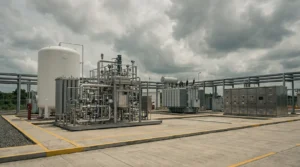
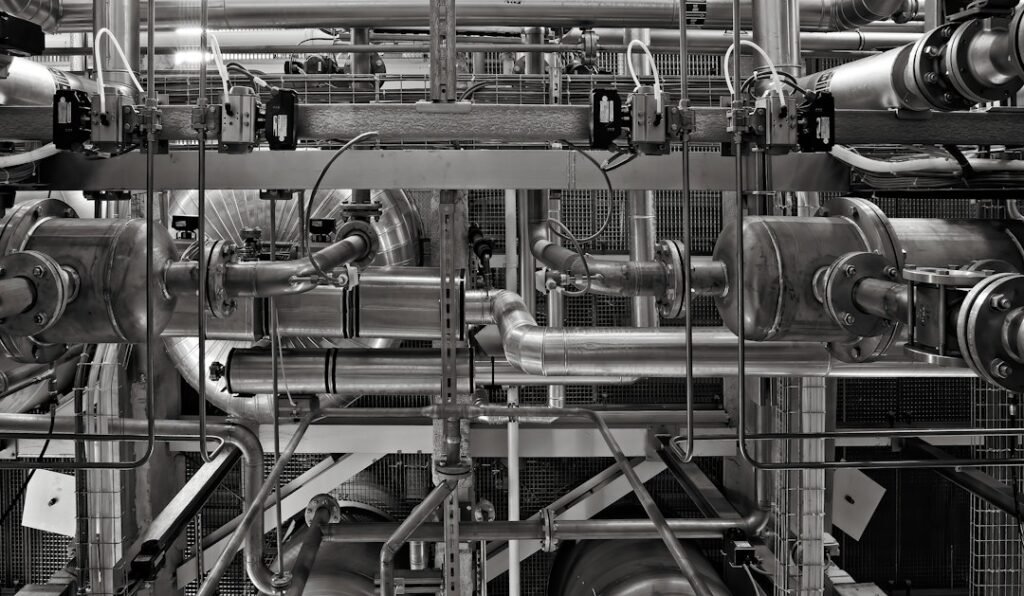
Green hydrogen technology: industrial pipes and metal infrastructure

When it comes to green hydrogen technology, the details below show exactly what lenders check before financing a project. Every green hydrogen pitch deck I see leads with a capacity number, a daily tonnage, or a dollar-per-kilogram figure. In fact, writers usually bury the electrolyzer technology choice further down, or leave it out entirely. Indeed, I think that’s backwards. The technology choice shapes your capex, your footprint, and your ramp-up behavior with intermittent renewables. As a result, it decides whether your production numbers survive due diligence.

In short: alkaline electrolyzers dominate the projects getting built in Southeast Asia right now. They win because they’re the cheapest and most proven at scale, not because they’re the most exciting technology. PEM shows up where footprint or fast response matters more than cost. SOEC remains mostly a heavy-industry bet for later in the decade. Finally, I’ll walk through what separates them and which one the region’s projects are choosing. Then I’ll cover what that means for how you plan your own.

Facebook
Twitter
LinkedIn

In this article

Green hydrogen technology: the three technologies developers actually choose between

Alkaline electrolysis is the oldest and cheapest of the mainstream options. Moreover, it uses inexpensive materials and a mature supply chain. As a result, it holds something like 84% of the projects currently under construction worldwide. Its drawback has always been a slower startup and ramp. Historically, that made it a poor match for the on-again, off-again output of solar and wind. That’s changing. Engineers now design newer alkaline stacks specifically to follow variable renewable input, closing the gap with PEM on responsiveness.

PEM (proton exchange membrane) electrolyzers cost more, largely because they rely on platinum-group metals. Even so, they ramp from zero to full power in seconds and have a smaller physical footprint. That makes them a natural fit for land-constrained sites. They also suit projects where hydrogen must track a variable power source closely. Still, cold-start times have crept up at industrial scale as systems have grown. Systems now average around 33 minutes rather than the 5 minutes once advertised.

SOEC (solid oxide) electrolyzers run at high temperature, 700-850°C, and can hit electrical efficiency above 80% when paired with a source of waste heat. That makes them interesting for heavy industry sites that already generate process heat, but the ceramic components crack under thermal cycling, so they want steady, not intermittent, operation, which cuts against pairing them directly with solar or wind without storage.

Technology Relative capex Response time Best fit
Alkaline Lowest Slower, improving Large-scale, cost-sensitive projects
PEM Higher Fast (seconds to minutes) Constrained footprint, variable renewable pairing
SOEC Not broadly quantified Best with steady operation Heavy industry with waste heat available

Green hydrogen technology: what Southeast Asia's actual projects are choosing

Look at the projects actually moving toward FID in this region. As a result, alkaline wins on cost-sensitive, large-scale plays. For example, Aslan Energy’s HEMU project in Batam, Indonesia, shows the model. It has 600 MW of installed electrolysis capacity, powered by a 1,200-MWh solar plant with battery storage for night operation. It uses alkaline electrolyzers and targets FID in 2026. From 2028, it aims to pipe roughly 110,000 tonnes a year of gaseous hydrogen to a Singapore-based offtaker.

Sarawak’s modular hydrogen plant, by contrast, is a smaller-scale project, 10 MW. Instead, it leans into a different value proposition entirely: speed to market and lower absolute capital commitment. The plant competes on speed, not on the lowest cost per kilogram at scale. NEOM’s 2.2 GW of electrolyzer capacity is the largest project in the region’s broader orbit. By comparison, it follows one dominant commercial logic: an anchor offtaker who happens to be the EPC contractor. That arrangement matters more to its bankability than the electrolyzer chemistry underneath it.

Globally, electrolyzer capacity is projected to reach roughly 8.5 GW in 2026, with Asia-Pacific historically holding close to half of global capacity when feasibility-stage projects are excluded. The pipeline is real. The share of it that actually reaches construction, let alone FID, is a different and much smaller number, and that gap is exactly why the technology and commercial structure choices made early in a project’s life matter so much to whether it ever gets built.

Green hydrogen technology: where this breaks in practice

I see developers lock in an electrolyzer choice before they’ve nailed down their power source profile. Then they discover the mismatch during financing. If your solar or wind generation is genuinely intermittent and you haven’t budgeted for battery buffering, the mismatch hurts. A classic alkaline stack with a slower ramp then forces bad trade-offs. As a result, you end up curtailing renewable output or drawing more grid power than your green hydrogen claims can tolerate. Conversely, paying the PEM premium for fast response wastes money. That is especially true when your power source is firm, grid-connected renewable PPA capacity rather than variable on-site generation.

The other recurring issue is treating OEM efficiency and degradation figures as field-proven when they’re not. Both alkaline and PEM manufacturers quote efficiency numbers in the mid-50s kWh/kg. They also quote degradation rates of a fraction of a percent per thousand hours. However, manufacturers state these figures themselves; few teams verify them at the scale most SEA projects plan for. Before you build your financial model around their number, I’d ask any vendor for field references at comparable scale.

How I'd approach the choice

  • Start from your power source profile, not the technology. Firm power favors alkaline’s cost advantage; genuinely intermittent power without storage favors PEM’s responsiveness.
  • If you have waste heat on site already, from an adjacent industrial process, SOEC deserves a serious look, but plan for steady-state operation, not load-following.
  • Ask for field-verified efficiency and degradation data at your actual target scale, not datasheet numbers from a smaller reference plant.
  • Budget for the realistic cold-start and ramp behavior of large-scale systems, not the marketing figures from lab-scale demonstrations.
  • Look at what’s actually being built nearby. Aslan’s alkaline choice for a 600 MW Indonesia-to-Singapore pipeline project is a more relevant reference point for a Southeast Asian developer than a European PEM demonstration plant a tenth the size.

Common mistakes I see

  • Choosing a technology based on which one is getting the most press coverage rather than which one fits the power source and offtake profile.
  • Underestimating how much cold-start and ramp behavior changes at industrial scale versus pilot scale.
  • Assuming SOEC’s high efficiency number applies without the waste heat source that makes it achievable.

Sources

FAQ

Alkaline electrolyzers currently dominate, largely because of their lower capex and mature supply chain, as seen in projects like Aslan Energy’s 600 MW HEMU project in Batam, Indonesia.

PEM electrolyzers ramp from zero to full power much faster and have a smaller footprint, making them a better fit where land is constrained or power input is genuinely variable without battery buffering.

SOEC electrolyzers can exceed 80% electrical efficiency when paired with a source of waste heat, making them a fit for heavy industry sites with existing process heat, but they require steady rather than intermittent operation.

Global electrolyzer capacity is projected to reach roughly 8.5 GW in 2026, with Asia-Pacific historically holding close to half of global capacity when counting only projects past the feasibility stage, though only a fraction of announced regional projects have reached construction or FID.

If you’re sizing a green hydrogen production project in Southeast Asia and want to pressure-test your technology and power-sourcing assumptions against what’s actually financeable, I’m happy to compare notes.

I’m Alex, founder of WeConnect Asia. I connect low-carbon fuel project developers in Southeast Asia with the capital, offtakers, and strategic partners they need to reach FID.

This article reflects publicly reported information as of early 2026 and is provided for general informational purposes. It does not constitute financial, legal, or investment advice.

Not sure your project would survive a credit conversation?

A short call is usually enough to see where your project stands against what a lender or an equity investor will ask for. Tell me where your project is today, and I will tell you what the next conversation needs to look like.

Alex, Founder of WeConnect Asia

Alex, Founder of WeConnect Asia

I help low-carbon fuel and carbon removal project developers in Southeast Asia secure the commercial and financial partners needed to reach FID.

More about me·Get in touch

Facebook
Twitter
LinkedIn

Related articles