
We Connect Asia

PROJECT FINANCE

Waste-to-Energy Project Finance in Southeast Asia:
What Lenders Require

9 min read  ·  Aug 26, 2026  ·  By Alex

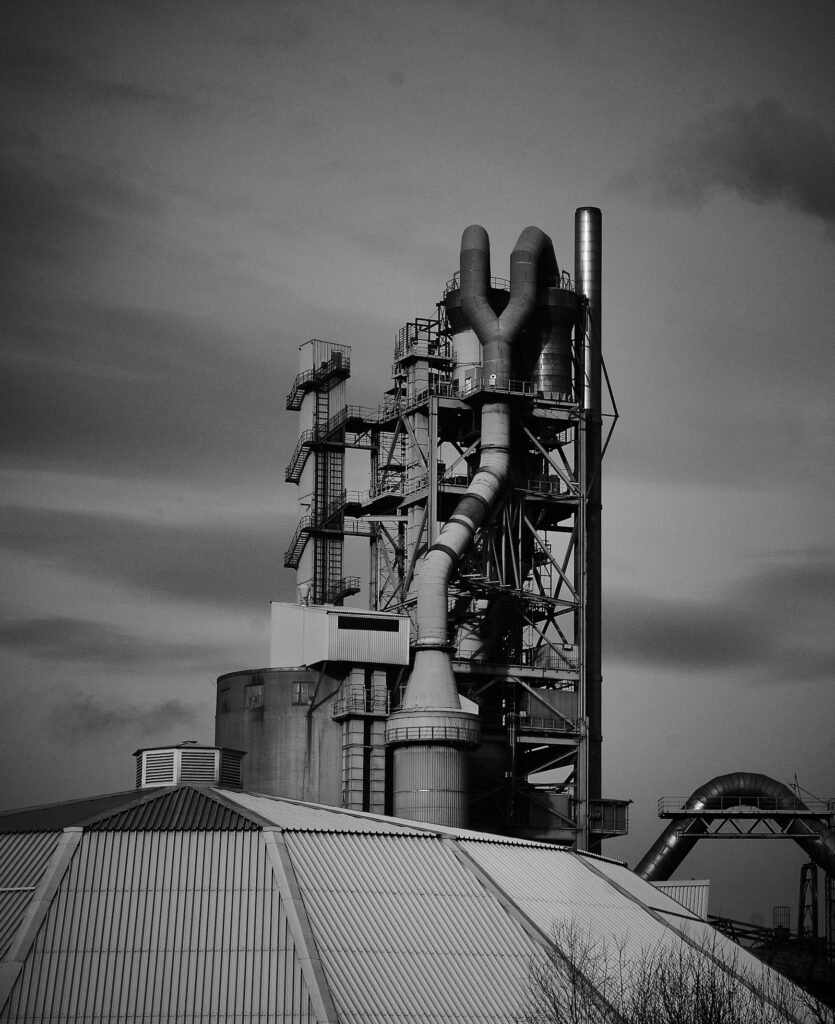
Industrial facility with metal pipework and processing structures, the kind of plant a waste-to-energy concession has to build and operate

Danantara, Indonesia’s state investment arm, opened a lenders panel in July 2026 for a nationwide waste-to-energy pipeline. The programme may need around USD 5.5 billion to cover 33 cities. That is a serious signal that the region’s waste-to-energy pipeline is moving from policy paper to project finance. However, it does not mean every plant in that pipeline will secure funding. It also means the ones with the right structure will.

I work with developers building waste-to-energy and circular infrastructure projects in Indonesia, Vietnam and the Philippines. The plants that stall share the same gap: the technology works and the city wants the waste handled. Yet no revenue structure underneath the plant can survive a lender’s scrutiny. This guide covers what that structure actually needs to look like.

In short

  • A waste-to-energy plant typically earns from two sources: a tipping fee paid for processing the waste, and the sale of power generated. Both need to be contracted, not assumed.
  • Your concession must guarantee waste supply, ideally with a minimum delivery commitment from the municipality or waste authority. As a result, a plant sized for a volume that never arrives cannot cover its fixed costs.
  • Indonesia’s Danantara-backed lenders panel shows who the market is organising around: development finance institutions, export credit agencies and commercial banks. Its instruments range from senior debt, subordinated tranches and guarantees.
  • Government concession terms, currency of revenue and political risk around tariff and tipping fee adjustments matter as much as engineering.
  • The projects moving toward financial close pair a credible municipal counterparty with an experienced power or waste management partner. A sponsor going it alone does not fit this structure.
Facebook
Twitter
LinkedIn

In this article

Why Southeast Asia's waste-to-energy pipeline is finally moving

Indonesia’s waste-to-energy programme targets 33 cities and may need roughly 91 trillion rupiah, about USD 5.5 billion, in funding. The first ten cities launch in the programme’s early phase. Danantara’s subsidiary Daya Energi Bersih Nusantara opened registration for a lenders panel in July 2026, working with PT Indonesia Infrastructure Finance to coordinate the process. The panel explicitly targets a pipeline, not a single plant. It welcomes commercial banks, regional development banks, DFIs, multilaterals and export credit agencies. Instruments range from senior debt to mezzanine and guarantee instruments.

Vietnam has moved earlier on a related model. The Asian Development Bank has backed waste-to-energy public-private partnerships in the country on a portfolio basis, on the view that bundling several projects together builds a more bankable pipeline than financing them one at a time in a market still building its track record.

None of this changes what makes an individual plant financeable. As a result, it changes who is likely to be at the table once your project is ready. It also changes the instruments they will expect to fit your specific deal.

What a bankable waste-to-energy structure actually contains

Two revenue lines, both contracted

Most waste-to-energy plants earn from a tipping fee, paid by the municipality or landfill operator for taking the waste off their hands, and from selling the power generated, usually under an agreement with the state utility or a power distributor. Lenders want both revenue lines contracted with defined pricing and tenor, not a tipping fee that is “under discussion” or a power sale priced at whatever the spot tariff happens to be.

A waste supply guarantee, not a hope

A plant sized for 1,000 tonnes a day needs something close to 1,000 tonnes a day arriving. In practice, that volume has to stay consistent for the life of the debt. However, few waste-to-energy concessions in the region carry a true put-or-pay waste delivery obligation. Without one, a city’s collection system falling short, a competing landfill undercutting on price, or a change in municipal administration can all cut your feedstock and your revenue at the same time. Push for a minimum guaranteed delivery volume in the concession agreement, with compensation if the municipality falls short.

A concession structure the government will actually honour

Most of these projects run as a build-operate-transfer or similar concession with a municipality or state-owned entity, often through a dedicated project company formed with the waste authority. Lenders will look hard at the government counterparty’s track record on honouring tariff adjustments and tipping fee indexation over the life of the concession, because a 15 to 20 year infrastructure concession outlives several changes of local administration.

An experienced operating partner, not a first attempt

Waste-to-energy technology is proven, but operating a thermal or anaerobic digestion plant on mixed municipal waste in a tropical climate, with the waste composition that actually shows up, is harder than it looks on a feasibility study. A technology provider or operator with a reference plant running on comparable waste streams is worth more to a lender than a lower headline capital cost from an unproven partner.

What a lender checks in a waste-to-energy deal, at a glance

What the lender checks What weak looks like What bankable looks like
Tipping fee Indicative, under discussion Contracted, indexed, defined tenor
Power sale Spot tariff assumption Signed PPA with the utility or distributor
Waste supply No volume guarantee Minimum delivery commitment, compensation on shortfall
Concession Ambiguous or unprecedented terms Standard BOT structure with government track record
Operating partner First plant of this kind for the sponsor Reference plant on comparable waste streams

Where waste-to-energy projects break in practice

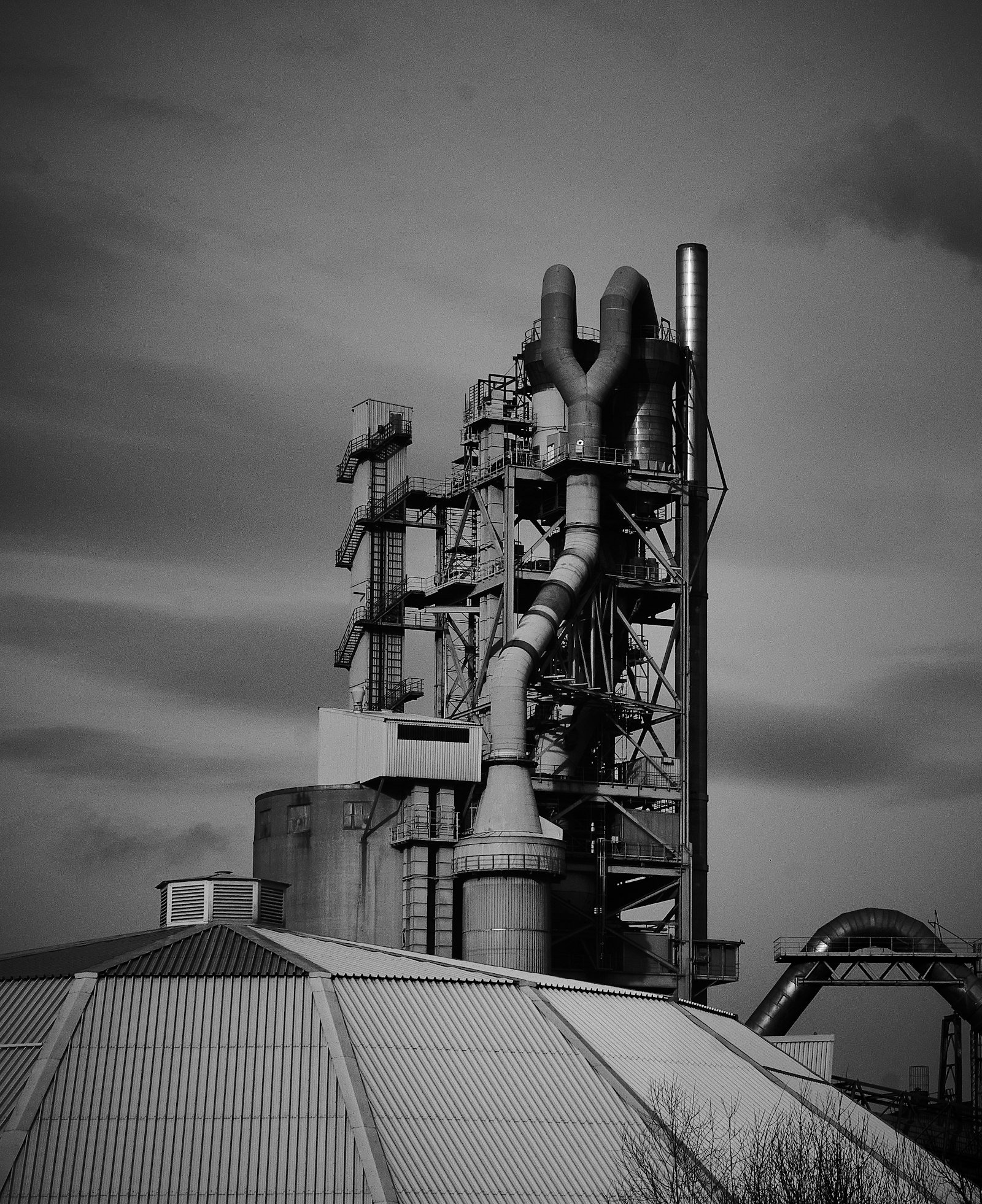
Industrial facility with metal pipework and processing structures, the kind of plant a waste-to-energy concession has to build and operate
Photo by Rolf Schmidbauer on Unsplash
  1. Waste composition does not match the design basis. In practice, a plant designed for a certain calorific value of waste runs below capacity. This happens when the actual mix has more organic or wet material than the feasibility study assumed.
  2. Informal waste collectors compete for the same material. In several Southeast Asian cities, informal recycling networks already pull out a meaningful share of recyclable and high-value waste before it ever reaches a formal collection point, reducing both volume and calorific value for the plant.
  3. The municipal counterparty changes after an election. A new administration can reopen tariff and tipping fee terms that a lender assumed were settled.
  4. Currency mismatch between debt and revenue. Foreign currency debt against a tipping fee and power tariff paid in rupiah, dong or pesos needs a hedging strategy. As a result, the project either hedges or accepts that FX risk directly.

The independent review checks waste composition assumptions, collection logistics and the realistic feedstock case against the plant’s design. It covers the technical review and feasibility and financial model work I coordinate with developers before they go to lenders.


A method to move your waste-to-energy project toward financial close

Step 1: Pressure-test the waste supply case

Verify actual collection volumes and composition against the plant’s design basis, not the municipality’s aspirational figures. Factor in informal collection competing for the same material.

Step 2: Lock both revenue lines

Negotiate the tipping fee agreement and the power purchase agreement together, so neither one is signed in isolation from what the other actually requires operationally.

Step 3: Bring in a partner who has run this before

Pair the sponsor with an operating partner or technology licensor with a reference plant on comparable waste streams. This is often the single biggest lever for improving how a lender reads the project.

Step 4: Package the deal for the instruments actually on offer

With DFIs, ECAs and commercial banks organising around portfolio-style lenders panels in the region, structure your financing ask to fit the instruments they are actually offering: senior debt, subordinated tranches, guarantees or blended finance, rather than a generic request for “project finance.”

This sequence runs through the same Project Finance and Strategic Partnerships work I do with circular infrastructure developers, and the Grants and Incentives work when a programme like Danantara’s lenders panel is directly relevant.

Common mistakes I see

  1. Treating the municipality’s waste volume estimate as guaranteed supply. It is a planning figure, not a contracted delivery commitment.
  2. Negotiating the tipping fee and the PPA separately and sequentially. As a result, the two revenue lines need to be sized together against the same plant design.
  3. Underestimating informal waste collection. It is a real, measurable competitor for feedstock in many cities, not a rounding error.
  4. Choosing an unproven technology partner to save on capital cost. In practice, the savings rarely survive contact with a lender’s technical due diligence.
  5. Ignoring political risk on tariff and tipping fee adjustments. A concession that depends on one administration’s goodwill is not bankable for its full tenor.

A waste-to-energy readiness checklist before you approach lenders

  • Waste supply volume and composition have been independently verified against the plant’s design basis.
  • Tipping fee and power purchase agreements are both contracted, indexed and sized against the same waste and output assumptions.
  • The concession includes a minimum waste delivery commitment with a remedy if the municipality falls short.
  • Your operating partner has a reference plant running on comparable waste streams.
  • Your financial model shows a downside case for reduced waste volume and delayed tariff adjustments.

If you tick fewer than three of these, the early screening and concept work is the right starting point, because lenders will ask the same questions in the same order once you reach them.

Next step

If you are developing a waste-to-energy or circular infrastructure project in Indonesia, Vietnam or the Philippines, I can help you see where your waste supply and revenue structure actually stand against what lenders in this market are organising to finance.

Discuss your project or book a 30-minute call. You can also browse other Insights.

Sources

Frequently asked questions

Through two contracted revenue lines: a tipping fee for processing the waste and the sale of the power it generates. Both need defined pricing and tenor to be bankable.

Danantara’s lenders panel is aimed at financing institutions rather than developers directly, but it signals the kind of pipeline and instruments the government is organising around, which shapes how any individual project should be structured.

A contractual guarantee that the municipality or waste authority will deliver a minimum volume of waste, or compensate the project if it does not. As a result, it protects the plant’s revenue from a shortfall in collection.

They compete for the same recyclable and high-value waste a plant may be counting on. As a result, both the volume and the calorific value actually arriving at the facility can fall.

It depends heavily on how early the waste supply and revenue structure are locked in. Projects that treat this as a late-stage legal exercise rather than an early design input take longer and face more lender questions.

Not sure your project would survive a credit conversation?

A short call is usually enough to see where your project stands against what a lender or an equity investor will ask for. Tell me where your project is today, and I will tell you what the next conversation needs to look like.

Alex, Founder of WeConnect Asia

I am Alex, founder of WeConnect Asia, based in Kuala Lumpur. I connect low-carbon fuel and circular infrastructure project developers in Southeast Asia with the investors, lenders, buyers and specialists they need to reach financial close. Nothing here counts as investment advice, and I do not arrange investments. I act as a strategic advisor and facilitator.

Facebook
Twitter
LinkedIn

Related articles




