


We Connect Asia

SAF

How to Finance a SAF Project:
The Capital Stack

9 min read  ·  Jun 15, 2026  ·  By Alex

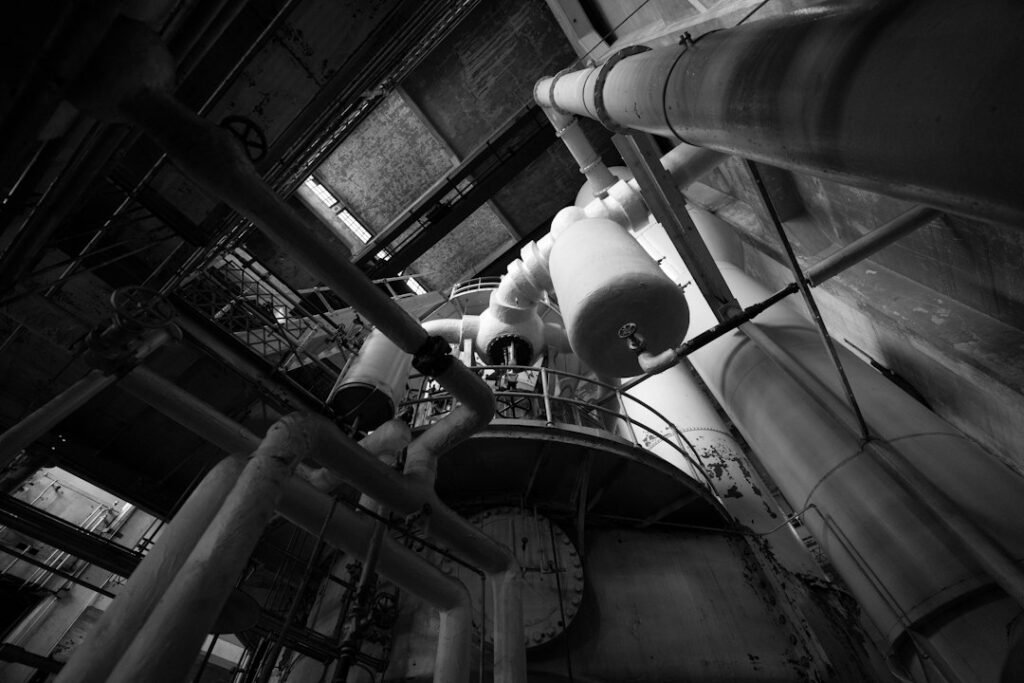
Industrial pipes and machinery in a fuel processing plant

When it comes to SAF project finance, the details below decide whether a project gets financed. The Asian Development Bank signed an 86.2 million dollar financing package for a SAF plant in Sheikhupura, Pakistan. It signed the deal in December 2024. ADB put in 41.2 million dollars of its own capital. It then brought in 45 million dollars of syndicated B-loans from the Emerging Africa and Asia Infrastructure Fund. IFC ran a parallel loan alongside. Shell had already signed a long-term agreement for up to 145,000 tons a year of the plant’s output. The financing closed after that. That structure, not the plant’s technology, actually delivered this project.

In short: a bankable SAF project still needs someone to write the checks. In practice that is rarely one single lender. The capital stack for a first-of-kind SAF plant usually blends a development finance institution with syndicated commercial or infrastructure debt. Sometimes an export credit agency joins. Increasingly it also uses a guarantee or risk-sharing mechanism that lets conventional lenders take a smaller, safer slice. This article walks through how SAF project finance assembles that stack, using a financed Asian deal as the reference point.

Facebook
Twitter
LinkedIn

In this article

SAF project finance: who is actually lending to SAF plants right now

The Pakistan deal is ADB’s first SAF project. It is also the first private sector-led SAF financing in its developing member countries outside China. In this case the capital stack runs as follows: ADB’s own ordinary capital resources. It also includes a syndicated B-loan tranche from the Emerging Africa and Asia Infrastructure Fund. A PIDG-owned vehicle managed by Ninety One and ILX joins, plus a parallel loan from IFC ([ADB](https://www.adb.org/news/adb-safco-venture-holdings-sign-86-2-million-deal-boost-sustainable-aviation-fuel-production-pakistan)). ADB funded its own portion through the Innovative Finance Facility for Climate in Asia and the Pacific. IF-CAP is a guarantee mechanism that lets a development bank stretch its balance sheet further into climate deals. This was its first project under that facility.

At larger scale, Acelen Renewables closed a 1.5 billion dollar financing package led by HSBC. The package funds a 20,000 barrel per day SAF and diesel plant in Bahia, Brazil ([The Asset](https://iam.theasset.com/article/56468/hsbc-leads-financing-for-saf-plant-in-brazil)). HSBC announced the deal in May 2026. Still, that scale of commercial bank-led financing remains the exception, not the rule, for first-of-kind SAF plants. Most Southeast Asian developers should instead expect the Pakistan structure. A development bank anchors the deal, then syndicates pieces to commercial and quasi-commercial lenders.

SAF project finance: why the offtake came before the money

Shell Eastern Trading signed its offtake agreement for up to 145,000 tons a year of SAF before ADB’s financing closed. That sequencing is not a coincidence. A development bank anchoring a first private sector SAF deal in a market it has never financed before needs the revenue question answered first, so it can focus its own diligence on construction, feedstock and operating risk rather than carrying the demand risk as well. Waste-based feedstock, used cooking oil in SAFCO’s case, with a plant already running a 50,000 ton per year biodiesel operation at the same site, gave ADB an operating track record to underwrite against, rather than a greenfield sponsor with no production history.

SAF project finance: what each layer of the stack is actually for

Layer Role in the Pakistan structure What a developer needs to access it
Development finance institution (ADB, IFC) Anchors the deal, sets the diligence bar, brings concessional or guarantee-backed capital others can syndicate around A credible sponsor with an operating track record, verifiable feedstock, and environmental and social safeguards in place
Guarantee or blended finance mechanism (IF-CAP) Lets the DFI extend more of its own balance sheet into the deal than it could unassisted Nothing specific to apply for directly, but worth asking your DFI contact whether such a facility applies to your project
Syndicated B-loans (infrastructure debt funds) Fill out the debt package once the DFI has anchored and priced the risk A financing package already structured by the lead DFI; these funds typically follow, they do not originate
Offtaker (Shell) Removes revenue risk from the lenders’ underwriting before the debt is drawn A signed, binding offtake agreement with volume and tenor, not a letter of intent
Commercial bank lead (HSBC, at larger scale) Takes the senior commercial tranche once the project has enough scale and track record to stand alone Usually only available once a developer or sponsor group has already proven the model at smaller scale

SAF project finance: where this breaks in practice

The most common mistake I see is a developer going to a commercial bank first. That happens before any development finance institution or guarantee mechanism has anchored the deal. Commercial lenders without a DFI’s risk appetite or mandate will usually pass on a first-of-kind SAF plant. They pass even when the economics are right, because nobody has yet absorbed the first-mover risk. The Pakistan deal worked because ADB was willing to be that first mover. IF-CAP’s guarantee support sat behind it, and the syndicated lenders followed once that anchor was in place.

The second mistake is treating the offtake and the financing as sequential rather than parallel workstreams. Shell’s agreement was in place before the financing closed. That let ADB underwrite construction and operating risk without also carrying demand risk. A developer who runs these two tracks in sequence loses months. The loss is worst once a credible offtake conversation is underway, because both tracks could then progress in parallel.

SAF project finance: a four-step method for building the stack

  1. Identify which development finance institutions are active in SAF in your market. ADB, IFC and the regional development banks each have different mandates and risk appetite. First, check which of them has financed or is looking at a SAF deal in your region.
  2. Run the offtake conversation in parallel with the financing conversation, not before it. A DFI wants to see a credible offtake process underway. It does not always require a fully signed agreement before starting its own due diligence. However, the deal will not close without one.
  3. Ask specifically about guarantee and blended finance mechanisms. Facilities like IF-CAP rarely get advertised project by project. Instead, have a direct conversation with the DFI’s climate or infrastructure team. A generic project finance application will not surface them.
  4. Build your own operating track record before you need it. SAFCO’s existing biodiesel plant on the same site gave ADB something to underwrite against. A developer with no production history at all faces a materially harder financing conversation. So consider whether a smaller first facility can establish that record before the main SAF plant reaches financial close.

Common mistakes

  • Approaching commercial banks before any development finance institution has anchored the deal in a market with no financed precedent.
  • Treating offtake and financing as sequential tracks instead of running them in parallel.
  • Assuming every DFI financing is purely concessional. Most of these deals run on commercial or near-commercial terms, layered with a guarantee mechanism, not a grant.
  • Underselling an existing operating track record, even a smaller adjacent facility, that could anchor a lender’s underwriting.

Checklist before approaching a financing conversation

  • Have you mapped which DFIs are active or interested in SAF financing in your market?
  • Is your offtake conversation far enough along to support a parallel financing process, even if not yet signed?
  • Do you have, or can you build, an operating track record a lender can underwrite against?
  • Have you asked directly about guarantee or blended finance mechanisms rather than assuming standard project finance terms apply?
  • Is your feedstock supply contracted on terms that match the tenor a lender will expect?
  • Do you know which lender would realistically anchor this deal, versus which would only follow once it is already structured?

Sources

FAQ

if you are structuring the financing for a low-carbon fuel project in Southeast Asia and need to know which lenders would realistically anchor your deal, that is the conversation I have. Book a 30-minute call or see how I work on project finance and offtake agreements.

Not sure your project would survive a credit conversation?

A short call is usually enough to see where your project stands against what a lender or an equity investor will ask for. Tell me where your project is today, and I will tell you what the next conversation needs to look like.

Alex, Founder of WeConnect Asia

I do not provide investment advice or arrange investments. I act as a strategic advisor and facilitator.

Facebook
Twitter
LinkedIn

Related articles




