
We Connect Asia

BANKABILITY

What Makes a Biomethane Plant Different From a Biogas Plant

6 min read  ·  Oct 28, 2025  ·  By Alex

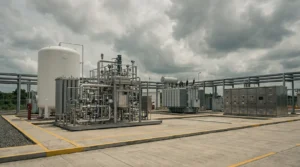
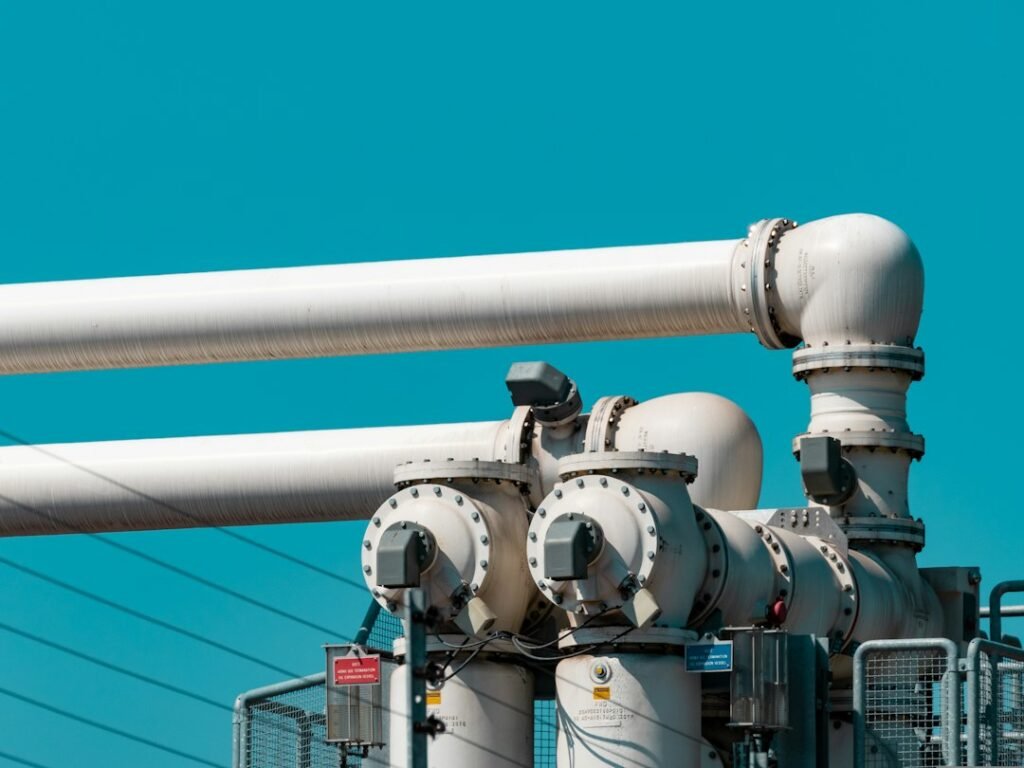
Industrial gas processing machinery

When it comes to biomethane plant, the details below decide whether a project gets financed. I get this question a lot from investors looking at the sector for the first time: isn’t biomethane just biogas? Not quite, and the difference is exactly where the extra capex and the extra revenue both sit. A biogas plant stops at raw gas burned on-site. A biomethane plant adds an upgrading step that turns that raw gas into something you can inject into a national gas grid or sell as vehicle fuel, at a real price premium over fossil gas.

In short: biomethane is raw biogas after stripping out CO2, moisture, and trace contaminants. What’s left is pipeline-grade natural gas, typically above 95% methane. That upgrading step opens two markets raw biogas can’t reach: the gas grid and vehicle fuel.

Facebook
Twitter
LinkedIn

In this article

Biomethane plant: why Southeast Asia's biomethane opportunity is still mostly untapped

The IEA estimates Southeast Asia could produce around 80 billion cubic metres of biogas annually, roughly 40% of the region’s current natural gas demand. Upgrading just 20% of that theoretical potential to biomethane could supply about 8% of regional gas consumption. Right now, biomethane makes up only about 0.01% of Southeast Asia’s gas supply. That gap between potential and actual uptake is the opportunity. Most regional biogas production still stops at the raw-gas stage without upgrading the gas.

Between 15% and 20% of regional gas demand is genuinely hard to decarbonize through renewable electricity alone, think industrial heat, fertilizer production, and heavy-duty transport. Biomethane is one of the few drop-in solutions for that demand, because it can use the same pipelines and the same end-use equipment as fossil natural gas.

Biomethane plant: Malaysia's grid injection milestone

Malaysia began injecting biomethane into its national natural gas grid in 2025, a concrete first for the region. Biogas and biomethane programs already exist in Malaysia, Indonesia, and Thailand, but grid injection specifically is the step that turns a biomethane plant from a niche on-site fuel source into infrastructure that reaches the broader gas market, and Malaysia is the first country in the region to have made that step operational.

Biomethane plant: where the economics actually work

Metric Figure
Price premium over fossil natural gas Up to roughly 100%, varies by project
Methane-capture benefit (at $50/tCO2) $8-10/MMBtu
Biomethane-generated electricity cost $70-85/MWh, competitive with other 24/7 renewables
Europe’s biomethane growth (feed-in tariffs + certification) +6 bcm/year capacity added over 10 years

That European comparison matters for how developers should think about timelines here. A specific combination drove Europe’s growth: feed-in tariffs and Guarantees of Origin. That certification system lets buyers verify that the gas they pay a premium for is genuinely biomethane. Southeast Asia doesn’t yet have that same combination fully in place region-wide, which is exactly why the gap between 80 bcm of theoretical potential and 0.01% actual supply persists.

Biomethane plant: where this breaks in practice

  • Building a biogas plant without planning for the upgrading step from day one. Retrofitting upgrading equipment onto an existing raw-biogas plant is more expensive and operationally disruptive than designing the full biogas-to-biomethane train from the start.
  • Underestimating the value of certification. Without a Guarantee-of-Origin-style tracking system, a biomethane project can struggle to capture the price premium that makes the upgrading capex worthwhile, since buyers can’t verify what they’re paying for.
  • Assuming grid injection is available everywhere. Malaysia’s 2025 milestone is a first, not a regional norm. In markets without established grid-injection standards, vehicle fuel (compressed biomethane, essentially bio-CNG) or dedicated offtake agreements may be the more realistic near-term path to market.

Biomethane plant: a practical method for evaluating a biomethane opportunity

  1. Confirm your target market before sizing upgrading equipment. Grid injection, vehicle fuel, and direct industrial offtake each have different purity specs and different infrastructure requirements.
  2. Check whether grid-injection standards exist in your market. Where they don’t yet, a direct offtake agreement or vehicle-fuel pathway may be the more immediate route, with grid injection as a later-stage option.
  3. Model the price premium conservatively until you confirm a certification or tracking system in your market. The premium depends on buyers being able to verify the gas’s origin.
  4. Design the biogas and upgrading systems together, not as a biogas plant with upgrading bolted on later, to avoid the cost and disruption of a retrofit.

Common mistakes I see developers and investors make

  • Treating “biogas” and “biomethane” as interchangeable terms when evaluating a project’s addressable market.
  • Assuming a full price premium is achievable without a certification or tracking mechanism in place.
  • Planning for grid injection in a market where the infrastructure and standards aren’t yet established.
  • Sizing upgrading capacity without first confirming the end market’s purity requirements.

A quick checklist before you take this to lenders

  • A confirmed target market: grid injection, vehicle fuel, or direct industrial offtake
  • Verification of whether grid-injection standards exist in your target jurisdiction
  • A realistic view of achievable price premium given local certification infrastructure
  • An integrated biogas-to-biomethane design rather than a planned future retrofit
  • A digestate offtake plan, since the upgrading step doesn’t change this underlying requirement

Sources

FAQ

Raw biogas is typically 50-70% methane, with the rest mostly CO2 and trace contaminants. Upgrading strips out the CO2, moisture, and contaminants to bring methane content above roughly 95%, matching pipeline-grade natural gas specifications and enabling grid injection or vehicle fuel use.

Yes. Malaysia began injecting biomethane into its national natural gas grid in 2025, making it the first country in the region to operationalize this specific pathway, alongside existing biogas and biomethane programs in Indonesia and Thailand.

Biomethane can command a price premium of up to roughly 100% over fossil natural gas, but buyers will only pay that premium if they can verify the gas’s origin. A Guarantee-of-Origin-style tracking system is what makes that verification possible, which is why Europe’s combination of feed-in tariffs and certification drove faster biomethane growth than either policy alone would have.

I help developers and investors think through whether to build a biogas project with upgrading from the start. The same goes for choosing the offtake pathway that fits your market. Get in touch and we can look at your project together.

I’m part of the WeConnect Asia team, working with developers and investors on low-carbon infrastructure projects across Southeast Asia.

This article is for general informational purposes and does not constitute financial, legal, or engineering advice. Figures cited are drawn from publicly reported data and should be independently verified before use in any financial model.

Not sure your project would survive a credit conversation?

A short call is usually enough to see where your project stands against what a lender or an equity investor will ask for. Tell me where your project is today, and I will tell you what the next conversation needs to look like.

Alex, Founder of WeConnect Asia

Alex, Founder of WeConnect Asia

I help low-carbon fuel and carbon removal project developers in Southeast Asia secure the commercial and financial partners needed to reach FID.

More about me·Get in touch

Facebook
Twitter
LinkedIn

Related articles