

Home » Biogas Power Plants: Turning Captured Methane Into Dispatchable Electricity
Biogas Power Plants:
Turning Captured Methane Into Dispatchable Electricity
6 min read · Jan 12, 2026 · By Alex
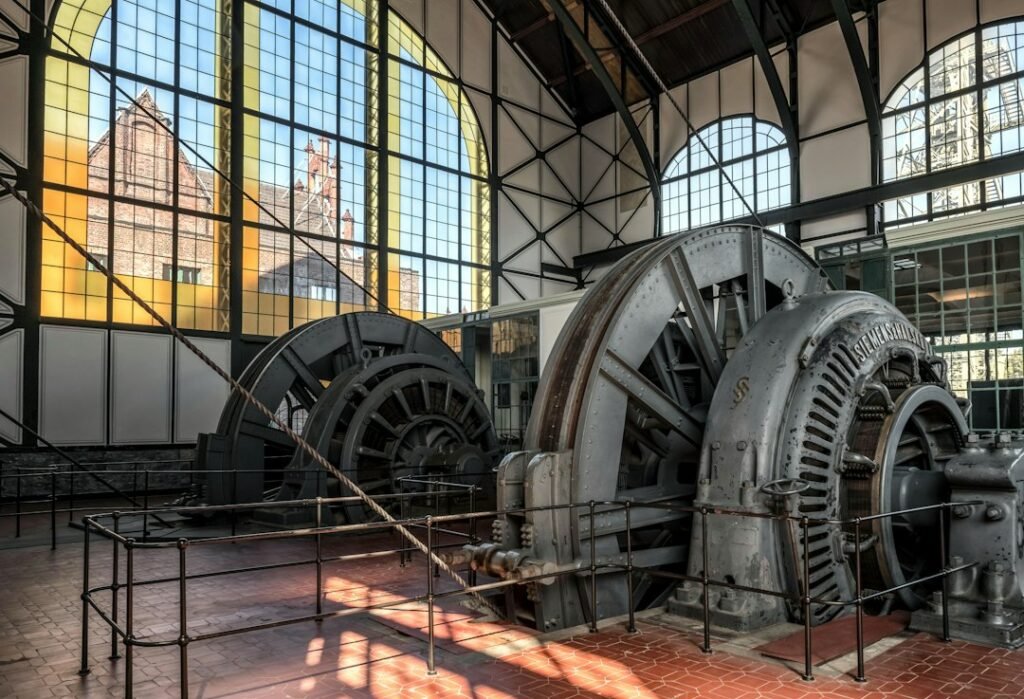
When it comes to biogas power plant, the details below decide whether a project gets financed. Once a developer has biogas captured, from a palm mill, a livestock operation, or a municipal source, the next decision is what to actually do with it. A biogas power plant is one answer: feed that gas into gas engines and generate electricity on-site or for grid delivery. It’s a different design problem from the digester itself, and it comes with its own set of equipment choices and commercial structures.
In short: a biogas power plant burns captured methane in a reciprocating gas engine (occasionally a turbine at larger scale) connected to a generator, producing electricity that’s either consumed on-site, sold under a power purchase agreement, or delivered to the grid. The gas engine, not the digester, is usually the piece that determines how dispatchable and how efficient the power output actually is.
In this article
Biogas power plant: the core process, step by step
- Gas conditioning. Raw biogas from the digester is cleaned of moisture and hydrogen sulfide before it reaches the engine, protecting engine components from corrosion.
- Combustion in a reciprocating gas engine. The conditioned biogas fuels an internal combustion engine, typically a lean-burn design tuned for biogas’s lower energy density compared to natural gas.
- Power generation. The engine drives a generator, producing electricity at a scale typically ranging from a few hundred kW to several MW per engine, with multiple engines often installed per site for redundancy and to match feedstock variability.
- Waste heat recovery (optional). In a combined heat and power (CHP) configuration, engine exhaust and cooling water heat is captured for process heating or digester heating, improving overall plant efficiency.
- Grid or on-site delivery. Power is either consumed directly at the feedstock source (a mill or farm), sold under a bilateral power purchase agreement, or delivered as dispatchable renewable capacity to the broader grid.
Biogas power plant: what a multi-engine project actually looks like
INNIO signed an agreement with Concord Renewable Energy to develop four biogas power plants across Malaysia using Jenbacher Type 4 high-efficiency engines, two engines per plant, eight engines total, for a combined output of more than 8 MW. The feedstock is methane captured from existing palm oil mills, delivered to the grid as a renewable, dispatchable power source. That two-engines-per-plant structure is a common pattern: it provides redundancy if one engine is down for maintenance, and it lets output scale up or down with feedstock availability rather than running a single large engine at partial load.
At a smaller, more experimental scale, Thailand’s state utility EGAT has worked with INNIO on a Jenbacher-engine microgrid demonstration that combines a biogas-fueled gas engine with battery storage, wind, solar, and a hydrogen electrolyzer, an example of biogas power generation being integrated into a broader hybrid renewable system rather than standing alone.
Where this breaks in practice
- Sizing engine capacity to theoretical biogas output rather than actual, variable feedstock supply. Feedstock volume from an agricultural or municipal source fluctuates seasonally; an engine sized for peak output sits underutilized much of the year, hurting project economics.
- Skipping gas conditioning to save capex. Hydrogen sulfide and moisture in unconditioned biogas corrode engine components, and the resulting maintenance costs and downtime typically exceed what proper conditioning equipment would have cost upfront.
- Ignoring CHP potential. A digester often needs heat to maintain optimal temperature for the bacteria doing the digestion work. A plant that generates power but doesn’t recover waste heat for the digester itself is leaving an efficiency gain on the table.
- Assuming grid delivery is always the best revenue path. On-site consumption at the feedstock source, displacing a mill’s or farm’s own grid electricity purchase, can sometimes be worth more than a grid PPA, depending on local retail power prices versus wholesale PPA rates.
A practical method for sizing a biogas power plant
- Model feedstock supply variability across a full year, not a peak or average figure, before specifying engine capacity.
- Choose a multi-engine configuration over a single large unit where feedstock allows, for redundancy and better load matching.
- Specify gas conditioning equipment to protect engine life, treating it as core equipment rather than an optional add-on.
- Evaluate CHP potential early, since recovered heat can directly offset the digester’s own heating energy needs.
- Compare on-site consumption value against grid PPA rates before committing to a single revenue structure.
Common mistakes I see developers make
- Specifying a single large engine instead of a multi-engine configuration that better matches variable feedstock supply.
- Underinvesting in gas conditioning and paying for it later in engine maintenance and downtime.
- Not evaluating CHP configuration until after the plant is already designed, when retrofitting heat recovery is far more expensive.
- Defaulting to a grid PPA without comparing it against the value of on-site power consumption.
A quick checklist before you take this to lenders
- A full-year feedstock supply model, not a peak or average estimate
- An engine configuration (single or multi-unit) matched to feedstock variability and maintenance redundancy needs
- Gas conditioning equipment specified as core scope, not optional
- A CHP evaluation completed before finalizing plant design
- A comparison of on-site consumption value against available grid PPA rates
Sources
FAQ
Why use multiple smaller gas engines instead of one large engine?
Multiple engines provide redundancy if one unit needs maintenance, and they let total output scale with actual, often variable, feedstock supply rather than running a single large engine inefficiently at partial load. Malaysia’s Concord/INNIO project uses two Jenbacher engines per plant across four sites for exactly this reason.
What's the difference between a biogas power plant and a CHP plant?
A standard biogas power plant generates electricity only. A CHP (combined heat and power) configuration additionally captures waste heat from the engine, often used to maintain the digester’s own operating temperature, improving the overall energy efficiency of the project.
Is selling power to the grid always better than using it on-site?
Not necessarily. Whether grid delivery or on-site consumption is more valuable depends on local retail power prices compared to available PPA rates. A mill or farm that would otherwise pay retail electricity prices may get more value from consuming the power directly than selling it to the grid at a wholesale rate.
If you’re sizing a biogas power plant and want to pressure-test your engine configuration or your grid-versus-on-site revenue assumptions, that’s exactly the kind of question I work through with developers. Get in touch and we can look at your project together.
I’m part of the WeConnect Asia team, working with developers and investors on low-carbon infrastructure projects across Southeast Asia.
This article is for general informational purposes and does not constitute financial, legal, or engineering advice. Figures cited are drawn from publicly reported data and should be independently verified before use in any financial model.
Not sure your project would survive a credit conversation?
A short call is usually enough to see where your project stands against what a lender or an equity investor will ask for. Tell me where your project is today, and I will tell you what the next conversation needs to look like.
Alex, Founder of WeConnect Asia
I help low-carbon fuel and carbon removal project developers in Southeast Asia secure the commercial and financial partners needed to reach FID.
Related articles

Biomethane: What It Is, How It Is Made and Who Buys It
Biomethane is biogas cleaned to pipeline quality. I explain how it is made, how it differs from biogas and who buys it in Southeast Asia.
Southeast Asia SAF: Policies, Demand and Project Status
Southeast Asia SAF policy is moving country by country. Here is where demand is forming, who the buyers are and what a developer can rely on today.
e-SAF Project Finance: Why the Sub-Mandate Is Not Enough
The synthetic fuel sub-mandate creates demand for e-SAF, but not a bankable project. Here is what e-SAF project finance still needs in Southeast Asia.

SAF Mandates by Country: A Developer’s Comparison
SAF mandates differ by country in scope, target and penalty. Here is a side-by-side comparison and what each one means for project revenue.

Sustainable Aviation Fuel: Pathways, Mandates and What Gets Financed
Sustainable aviation fuel has several pathways and sells into mandates. I explain the routes, the demand and what gets financed in Asia.
ReFuelEU Offtake: Who Actually Buys Your SAF?
The ReFuelEU mandate sits on fuel suppliers, not airlines. Here is what that means for ReFuelEU offtake contracts and what lenders expect to see.