
We Connect Asia

BANKABILITY

Biomethane in Southeast Asia:
What a Bankable Project Looks Like

9 min read  ·  Dec 19, 2025  ·  By Alex

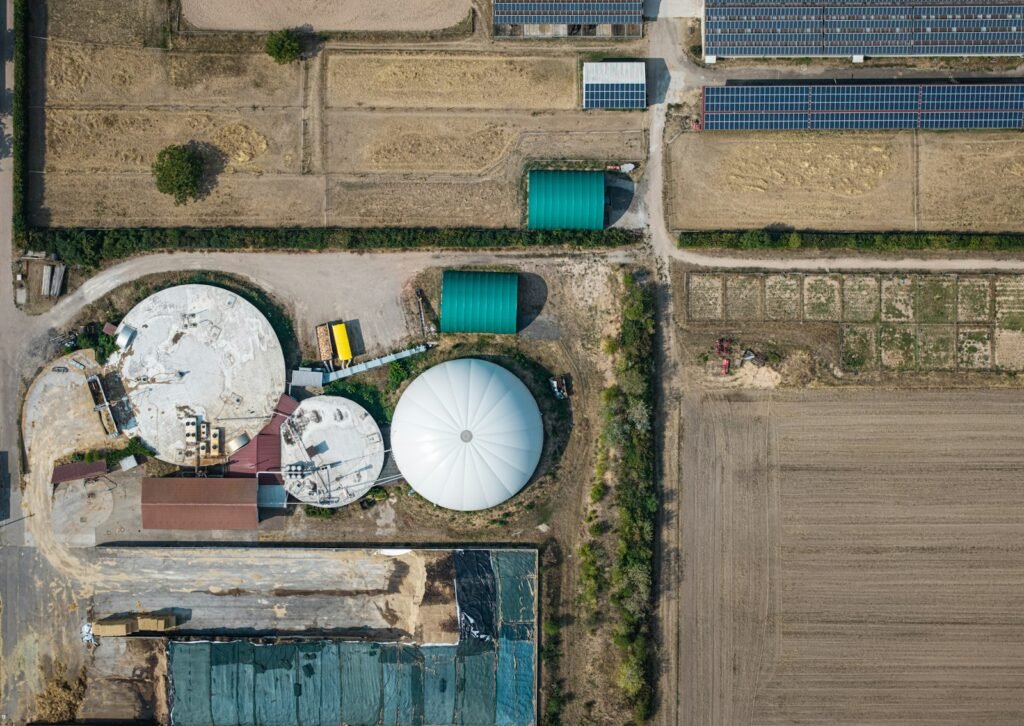
Aerial view of a biogas plant with circular digester tanks next to agricultural fields, the kind of facility that upgrades effluent into biomethane

Biomethane makes up about 0.01 percent of Southeast Asia’s gas supply today. The IEA estimates the region could produce roughly 80 billion cubic metres of biogas a year. As a result, upgrading a fifth of it to biomethane would cover 8 percent of regional gas consumption. Malaysia started injecting biomethane into its national gas grid in 2025. Johor Plantations Group has a 15-year, 350,000 MMBtu supply agreement with Gas Malaysia Green Ventures, built on biogas captured from palm oil mill effluent. The resource is enormous and the first bankable deals already exist. Most developers in the region are still stuck between the two.

I work with biogas and biomethane developers across Malaysia, Indonesia and Thailand, mostly built around palm oil mill effluent, agricultural residue and municipal organic waste. The gap I see most often is not the technology. It is a developer who has a feedstock source and a rough sense of the gas volume, but no offtake agreement that a lender would actually accept as revenue. This guide covers what closes that gap.

In short: what makes a biomethane deal bankable

  • Biomethane can carry a price premium of up to roughly 100 percent over fossil natural gas, which means the business case depends on a buyer willing to pay that premium under contract, not on the spot gas price.
  • The deals that have closed in the region, such as Johor Plantations Group’s 15-year agreements with Gas Malaysia Green Ventures, run 15 years and name a specific, creditworthy buyer with a defined volume.
  • Feedstock supply has to be secured the same way offtake is: a palm mill’s effluent, agricultural residue stream or municipal waste supply needs its own contract, not a verbal understanding with the mill operator.
  • Grid injection standards, certification and Guarantees of Origin are still being built out across the region, which affects how fast a given project can actually sell into the gas grid versus running on a bilateral offtake.
  • Debt is already flowing to the strongest deals: a USD 23 million facility from responsAbility financed two commissioned biogas plants in North Sumatra, with a third following.
Facebook
Twitter
LinkedIn

In this article

Why the biomethane resource is large and the pipeline is still small

Southeast Asia’s biomethane potential comes mostly from three feedstock pools: palm oil mill effluent in Malaysia and Indonesia, agricultural residues across the region’s farming economies, and municipal organic waste in its largest cities. The region already runs biogas and biomethane programmes in Malaysia, Indonesia and Thailand. Europe’s experience shows how fast the curve can move once certification and grid access catch up. For example, Europe added about 6 billion cubic metres a year of biomethane capacity over a decade. The region could plausibly compress that into five years, given the feedstock already available.

What is missing is not feedstock or demand. It is the market infrastructure: grid-injection standards near the feedstock sources, blending mandates that create a baseline buyer, and Guarantees of Origin or an equivalent tracking system that lets a biomethane producer prove what it sold and to whom. Until that infrastructure matures everywhere, most bankable projects in the region run on a direct, bilateral offtake rather than selling anonymously into a certified gas grid.

What a bankable biomethane structure actually contains

A named buyer, not a market price assumption

Johor Plantations Group’s deal with Gas Malaysia Green Ventures is the model to study: a 15-year agreement for a defined volume, signed with a creditworthy, named buyer. A plan that assumes you will sell into the gas grid at whatever premium the market offers that year is not something a lender can size debt against. Secure the contract first, then build the financial model around it, not the reverse.

Feedstock secured with the same rigour as offtake

A biomethane plant built on palm oil mill effluent needs a supply agreement with the mill, not an assumption that the mill will keep sending its effluent your way for the next 15 years. Mills can change ownership, shift processing volumes, or decide to use the effluent themselves. Lock in volume, price and term the same way you would with an offtake buyer, and understand what happens to your gas output if the mill’s throughput drops in a weak harvest year.

A realistic read on the premium you can actually capture

The premium biomethane can command over fossil natural gas runs up to roughly 100 percent in some markets, but that is not a number every buyer will pay. Corporate buyers decarbonising their own gas use, especially where 15 to 20 percent of their demand cannot be electrified, are the segment most likely to pay for the premium. A generic industrial gas buyer with no decarbonisation target is a harder sell at that price.

Certification that matches what your buyer actually needs

If your buyer needs to report avoided emissions or claim a Guarantee of Origin, your certification and tracking system has to match their scheme, not a generic sustainability claim. This is unsettled territory in parts of the region, so confirm it with the buyer directly rather than assuming your certification will be accepted.

What a lender checks, at a glance

What the lender checks What weak looks like What bankable looks like
Offtake Assumed grid sale at spot premium Named buyer, defined volume, long tenor (10 to 15 years)
Feedstock Informal arrangement with the mill or farm Supply agreement with volume, price and term
Premium capture Generic “biomethane premium” assumption Buyer-specific pricing tied to an actual decarbonisation need
Certification No scheme defined Certification matched to the buyer’s reporting requirement
Technology Unproven digester design for this feedstock Reference plant on comparable feedstock

Where biomethane projects break in practice

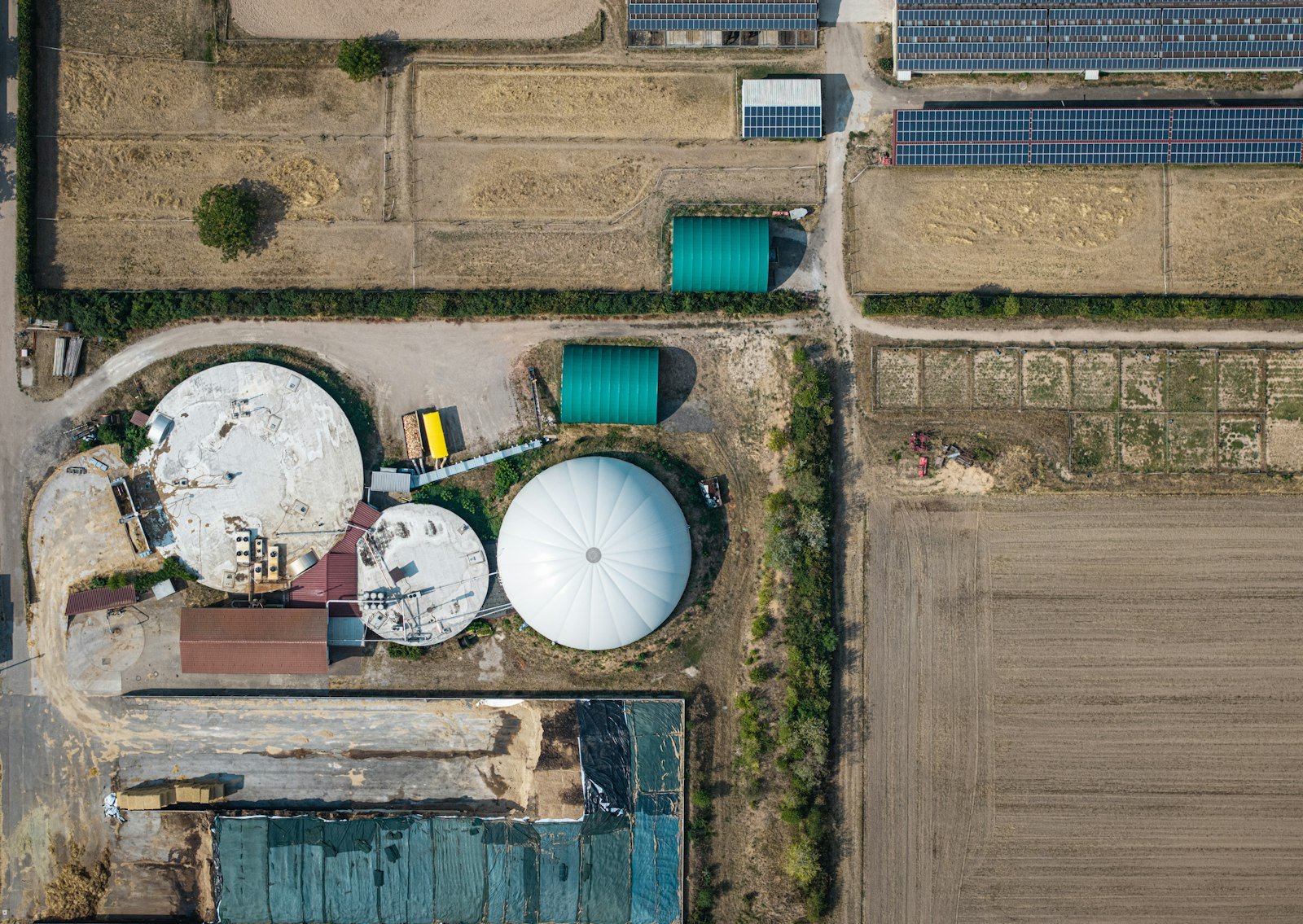
Aerial view of a biogas plant with circular digester tanks next to agricultural fields, the kind of facility that upgrades effluent into biomethane
Photo by Bernd Dittrich on Unsplash
  1. The feedstock source is seasonal or variable. Palm oil milling volumes move with harvest cycles. A financial model built on average throughput can miss the low months that actually determine whether debt service gets covered.
  2. Grid injection standards are not yet in place where you are. If your plant depends on injecting into the national gas grid, the technical and commercial standards may not be finalised. In practice, your offtake route may then need to be bilateral, trucked or piped directly to a buyer instead.
  3. The buyer’s willingness to pay a premium is not tested until late. Many developers assume the premium without a signed price. Test it early, because it changes whether the project is financeable at all.
  4. Upgrading technology (biogas to biomethane) is treated as an afterthought. The digestion step and the upgrading step are different technical risks, and a lender will want both de-risked, not just the digester.

The independent review checks feedstock seasonality, upgrading technology performance and the realistic revenue case against what buyers will actually sign. It covers the feasibility and financial model and technical review work I coordinate with developers before they approach lenders.


A method to move your biomethane project toward financial close

Step 1: Lock the feedstock supply agreement

Negotiate volume, price and term with the mill, farm cooperative or waste authority before you go further. This underpins everything else in the model.

Step 2: Find and test a real buyer

Identify corporate or utility buyers with an actual decarbonisation need for hard-to-electrify gas demand, and test their willingness to pay a premium before building the financial model around an assumed one.

Step 3: Match certification to the buyer’s scheme

Confirm which tracking and certification approach the buyer actually needs, rather than building a generic sustainability claim and hoping it fits later.

Step 4: Package the deal for the lenders active in this space

Impact-focused lenders such as responsAbility have already financed biogas projects in the region. Structure your ask to show the same combination they backed: secured feedstock, a credible buyer, and a technology track record.

This sequence runs through the Feedstock Supply, Offtake Agreements and Project Finance work I do with biogas and biomethane developers in the region.

Common mistakes I see

  1. Assuming the premium instead of selling it. A model built on a market premium that no buyer has actually agreed to pay is not a revenue line.
  2. Treating feedstock supply as informal. A verbal arrangement with a mill operator is not something a lender can underwrite.
  3. Ignoring feedstock seasonality in the financial model. Average throughput hides the low months that actually determine debt service coverage.
  4. Underestimating the upgrading step. Converting biogas to pipeline-quality biomethane is a separate technical risk from digestion, and it needs its own due diligence.

A biomethane readiness checklist before you approach lenders

  • Feedstock supply is contracted, with volume, price and term defined, and seasonality modelled honestly.
  • A named buyer has agreed to a price, not just expressed interest in biomethane generally.
  • Certification and tracking match what that specific buyer needs to report.
  • The upgrading technology has a reference plant running on comparable feedstock.
  • Your financial model shows a downside case for a low-throughput season at the feedstock source.

If you tick fewer than three of these, the early screening and concept work is the right starting point, because lenders will ask the same questions in the same order.

Next step

If you are developing a biogas or biomethane project in Malaysia, Indonesia or Thailand, I can help you see where your feedstock and offtake structure actually stand against what lenders in this space are financing.

Discuss your project or book a 30-minute call. You can also browse other Insights.

Sources

Frequently asked questions

Palm oil mill effluent in Malaysia and Indonesia, agricultural residues, and municipal organic waste are the three main pools being developed today.

The IEA estimates Southeast Asia could produce around 80 billion cubic metres of biogas a year. Upgrading a fifth of that to biomethane could cover about 8 percent of regional gas demand, against roughly 0.01 percent today.

Sometimes, where grid-injection standards exist, such as Malaysia since 2025. Elsewhere, a bilateral offtake direct to a buyer is often the more realistic near-term route.

The clearest regional precedent, Johor Plantations Group’s agreements with Gas Malaysia Green Ventures, runs 15 years. Shorter tenors make debt sizing harder.

Yes, for well-structured deals. responsAbility financed a USD 23 million facility covering biogas plants in North Sumatra, Indonesia, and more impact-focused lenders are active in the space.

Not sure your project would survive a credit conversation?

A short call is usually enough to see where your project stands against what a lender or an equity investor will ask for. Tell me where your project is today, and I will tell you what the next conversation needs to look like.

Alex, Founder of WeConnect Asia

I am Alex, founder of WeConnect Asia, based in Kuala Lumpur. I connect low-carbon fuel and circular infrastructure project developers in Southeast Asia with the investors, lenders, buyers and specialists they need to reach financial close. Nothing here counts as investment advice, and I do not arrange investments. I act as a strategic advisor and facilitator.

Facebook
Twitter
LinkedIn

Related articles




