
We Connect Asia

BANKABILITY

Green Ammonia Production:
The Retrofit Shortcut

7 min read  ·  Nov 10, 2025  ·  By Alex

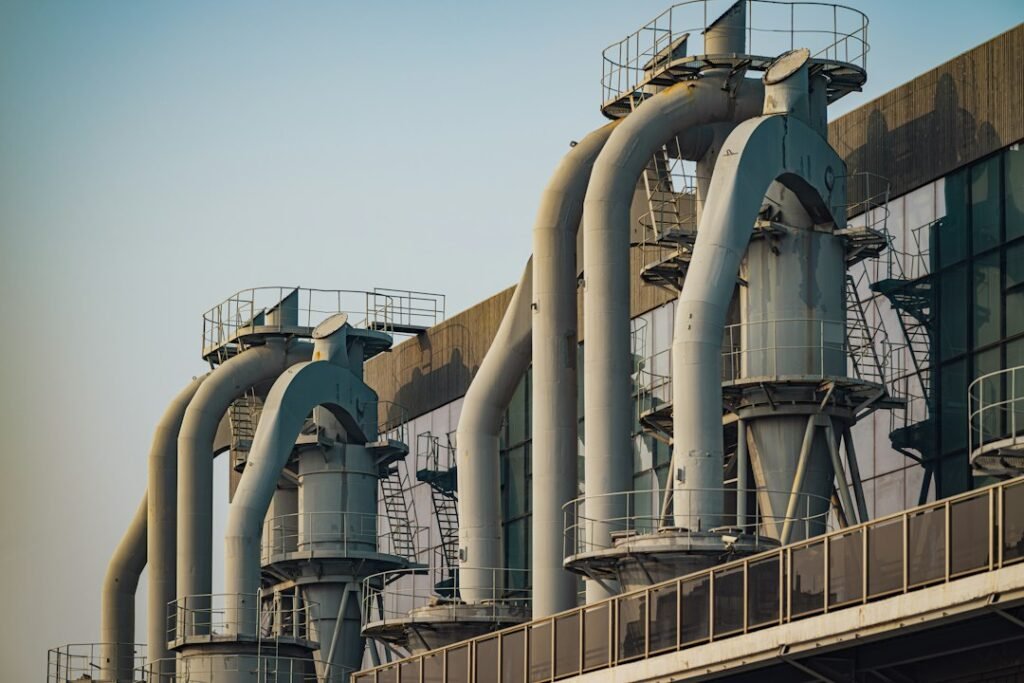
A row of pipes on an industrial facility against the sky

Toyo Engineering, Pupuk Indonesia Holding Company and Itochu signed a joint development agreement in August 2024. Their target is green ammonia production at the existing Pupuk Iskandar Muda plant in Aceh’s Special Economic Zone. Specifically, it is the same plant Toyo designed and built in the 2000s. The plan installs an electrolyzer to feed green hydrogen into part of the plant’s existing production capacity. Instead, it avoids building a new synthesis plant from scratch. FEED started the same month, and the partners set up the joint venture in 2024. They then targeted FID for the first half of 2025 and commercial operation for 2027. Itochu will take the green ammonia as marine fuel.

In short: the fastest, cheapest route to green ammonia production in Southeast Asia right now is not a greenfield plant. It is retrofitting an electrolyzer onto an existing conventional ammonia plant. That plant also has synthesis, storage and shipping infrastructure in place. This article looks at what that retrofit route changes, using the PIM project as the reference case.

Facebook
Twitter
LinkedIn

In this article

Why retrofit beats greenfield for green ammonia production

A conventional ammonia plant like PIM already has the Haber-Bosch synthesis loop, storage tanks and loading infrastructure. It also has an operating team that knows the process. The only new piece in a retrofit is the electrolyzer and the renewable power supply to run it. Instead of grey hydrogen made from natural gas, the plant feeds green hydrogen into the synthesis it already runs. That is a materially smaller, faster and cheaper project than building an entire new ammonia complex. As a result, PIM targets FID within roughly a year of the joint development agreement, and commercial operation within three.

Japan’s Ministry of Economy, Trade and Industry selected this project for a subsidy. It runs under the Global South Future-Oriented Co-Creation Business Expense Subsidy programme. Afterward, the partners plan to extend the same retrofit mechanism to other PIHC plants. A single successful retrofit becomes a template, not a one-off. Therefore, this route is worth understanding even for a developer not working with PIHC directly.

What a retrofit changes in the development process

Greenfield green ammonia plant Retrofit of existing ammonia plant
Synthesis infrastructure Built new, full capex and schedule risk Already exists and operates; only the hydrogen feedstock source changes
Operating track record None; first-of-kind operating risk for lenders Existing plant has years of operating history, a real asset for financing
Storage and logistics Built new Already in place, often already connected to a port or export route
Typical timeline to FID and COD Several years from feasibility to FID, more again to commissioning Roughly a year to FID, two to three years to commercial operation in the PIM case
Scale of green output Sized to whatever the new plant is built for Limited to the portion of existing capacity the retrofit can feed

Where the green ammonia retrofit route breaks in practice

The limitation of the retrofit route is scale. PIM’s project explicitly uses only part of the existing plant’s production capacity. Because of that, feeding the whole plant’s hydrogen demand would need a much larger electrolyzer and renewable power supply. It would be a far larger, slower and costlier undertaking than the retrofit itself. A developer should not assume a retrofit scales linearly into a fully green plant. Instead, it is a way to get a meaningful first green volume to market quickly, not the end state.

The second limitation is that this route only exists where a conventional ammonia plant already sits. Furthermore, such a plant needs spare capacity, cooperative ownership and nearby renewable power. A developer without access to an existing plant cannot shortcut their way around building greenfield. The same applies when the owner is not interested in retrofitting. The PIM deal worked because PIHC, the owner, was a direct partner in the joint development agreement. An external party would have needed convincing instead.

A four-step method for evaluating a green ammonia retrofit opportunity

  1. Map existing ammonia plants in your target market first. Before designing a greenfield facility, check whether an existing plant could support a faster retrofit route. Then look at its owner and its available capacity.
  2. Confirm the owner’s appetite for a joint venture, not just a supply deal. PIHC became a direct JV partner with Toyo and Itochu rather than hosting someone else’s electrolyzer. As a result, that alignment let FID and FEED move quickly in parallel.
  3. Size the retrofit to the renewable power actually available nearby, not to the plant’s full capacity. A partial retrofit that reaches FID in a year beats a full-plant conversion still years from financing.
  4. Line up the offtaker during FEED, not after FID. Itochu’s marine fuel offtake came as part of the same joint development agreement from the start. Instead, the partners negotiated it together with the retrofit design.

Common mistakes

  • Defaulting to a greenfield plant design without first checking whether a retrofit of existing capacity is available in the market.
  • Assuming a successful partial retrofit will scale linearly to full-plant conversion without a much larger follow-on investment.
  • Approaching an existing plant owner with a supply proposal instead of a joint venture. In fact, a supply deal gives them no direct stake in the outcome.
  • Treating offtake as a separate workstream from the retrofit’s technical design, rather than developing both together from FEED onward.

Checklist before pursuing a green ammonia retrofit route

  • Have you identified existing ammonia plants in your target market with spare synthesis capacity?
  • Is the plant owner open to a joint venture structure, not just a hydrogen supply arrangement?
  • Is there renewable power available nearby at a scale that matches a realistic retrofit size, not the plant’s full capacity?
  • Is an offtaker engaged during FEED, so the retrofit’s design and the commercial structure develop together?
  • Have you checked for government subsidy or co-creation programmes that specifically support this kind of first-of-a-kind retrofit? For example, Japan’s METI mechanism qualifies.

Sources

FAQ

If you are evaluating a green ammonia opportunity in Southeast Asia, this is the conversation I have. I help you identify the right plant owner, power supplier or offtaker, whether greenfield or a retrofit of existing capacity. Book a 30-minute call or see how I work on strategic partnerships and offtake agreements.

Not sure your project would survive a credit conversation?

A short call is usually enough to see where your project stands against what a lender or an equity investor will ask for. Tell me where your project is today, and I will tell you what the next conversation needs to look like.

Alex, Founder of WeConnect Asia

I do not provide investment advice or arrange investments. I act as a strategic advisor and facilitator.

Facebook
Twitter
LinkedIn

Related articles