


We Connect Asia

PROJECT FINANCE

Green Hydrogen Plant Economics:
What $3 per kg Means

8 min read  ·  Feb 2, 2026  ·  By Alex

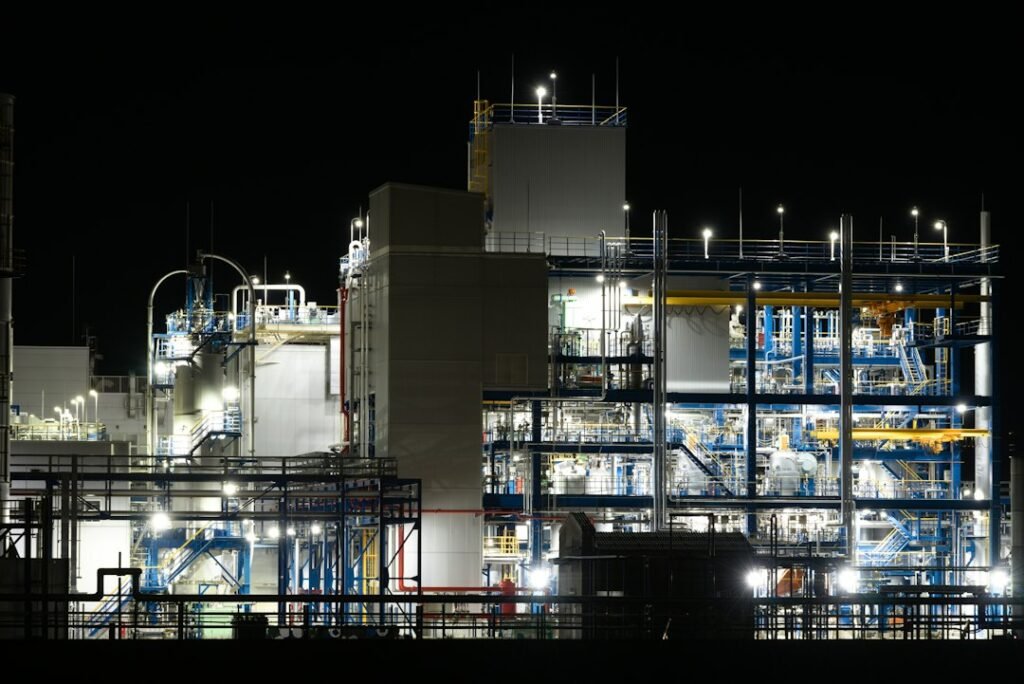
Green hydrogen plant illuminated at night with industrial machinery

Aslan Energy Capital’s Hidrogen Energi Mitra Utama project in Batam, Indonesia, is a green hydrogen plant. It pairs 600 MW of alkaline electrolysis with 1,200 MWh of utility-scale solar and battery storage. Together they keep the electrolyzer running at night. The plan: about 110,000 tons a year of gaseous hydrogen piped to Singapore from 2028. A heads of agreement with a Singapore-based buyer sets indicative pricing around 3 dollars per kilogram. The developer targets final investment decision for 2026. That number, 3 dollars per kilogram, tells you more about what this plant actually needs to work than the 600 MW figure does.

In short: green hydrogen plant economics in Southeast Asia come down to three linked decisions. The first is how big to build the electrolyzer. The second is how to keep it running when the sun is not shining. The third is what price the output needs to clear to be worth building at all. This article works through those decisions using the Batam project and a second Indonesian hub as reference points.

Facebook
Twitter
LinkedIn

In this article

Green hydrogen plant: why 600 MW, and why solar plus batteries

Electrolyzer capacity sets the ceiling on output, but it only produces at that ceiling when it has power. Batam’s project pairs 600 MW of alkaline electrolysis with 1,200 MWh of solar generation and battery storage. It can then run through the night instead of idling every time the sun sets ([S&P Global](https://www.spglobal.com/energy/en/news-research/latest-news/energy-transition/052825-aslan-energy-targets-2026-fid-for-600-mw-hydrogen-project-in-indonesia)). That battery layer is not a sustainability add-on. It is a capacity-factor decision. An electrolyzer that only runs 30 percent of the year has no power after dark. It then produces a fraction of its nameplate output. That wrecks the per-kilogram cost regardless of electrolyzer size.

A separate Indonesian hub targets 100,000 tons a year. It is the Sembcorp and PT PLN Energi Primer Indonesia joint development in Sumatra. It is positioned as a regional green hydrogen hub linking Sumatra, the Riau Islands and Singapore ([Cyprus Shipping News](https://cyprusshippingnews.com/?p=151045)). That project signed its joint development agreement in October 2024. It was still in detailed engineering at the announcement. That put it a stage behind Batam’s FEED tender and 2026 FID target. Two projects, similar order of magnitude, different pace, because the power-supply design and the offtake conversation move at different speeds for each.

Green hydrogen plant: what $3 per kilogram actually tells a developer

Three dollars per kilogram was the indicative buying level for Singapore low-carbon hydrogen as of May 2025. That price has to cover electrolyzer capex, the solar and battery system and transport. In Batam’s case, transport means a pipeline to Singapore. It also has to return a margin for the developer and its investors. Lenders test every design choice, electrolyzer size, power mix and storage capacity against whether the resulting cost per kilogram still clears that number with margin to spare. A green hydrogen plant designed around technical elegance rather than that price target will struggle to find a buyer. Engineering quality alone will not save it.

What a lender or offtaker checks on plant design

They check Why it matters
Capacity factor, not just nameplate MW An electrolyzer’s real output depends on how many hours a year it actually runs at capacity, which depends on the power supply design
Power source cost and reliability Solar alone is cheap but intermittent; solar plus battery costs more upfront but raises the capacity factor and lowers the effective cost per kilogram
Transport mode to the buyer Pipeline, as planned for Batam to Singapore, is cheaper per unit than shipping, but only works within pipeline distance of the buyer
Offtake price versus modelled production cost The project only works if the contracted or indicative price clears the actual cost of the electrolyzer, power and transport combined, with margin
Technology track record Alkaline electrolysis, as used at Batam, has a longer commercial operating history than some newer electrolyzer technologies, which affects how lenders price technology risk

Where this breaks in practice

The mistake I see most often is sizing the electrolyzer first. The developer then treats the power supply as a detail to solve later. Batam’s design went the other way. It started with a specific buyer, a specific transport route and an indicative price point. The team then sized the electrolyzer and the solar-plus-battery system to hit that price. Work backward from the buyer’s price to the plant design. That is what gets a project to FID, rather than forward from an electrolyzer size to whatever price results.

The second mistake is underestimating how much a heads of agreement, rather than a binding offtake contract, still leaves open. Batam has an indicative price and a prospective buyer, not yet a signed, binding offtake with volume and price locked in. That is normal at this stage. FID is still a year or more out. It means the economics above are still under negotiation, not finalised. A developer earlier in this process should expect the same. The price assumption driving your plant design today is a starting point for negotiation, not a guaranteed number.

A four-step method for sizing a green hydrogen plant

  1. Start from the buyer’s price, not the electrolyzer catalogue. Identify your likely offtaker and the price range the market is actually indicating. Then work backward to the electrolyzer size and power mix that can hit that number.
  2. Treat the power supply as the primary design decision, not a detail. Solar alone, solar plus battery and a grid connection each produce a different capacity factor and effective cost per kilogram. Model all three before committing to electrolyzer size.
  3. Match your transport mode to your buyer’s location. A pipeline route, like Batam to Singapore, changes the economics substantially compared with liquefaction and shipping; confirm which is realistic before finalising plant capacity.
  4. Treat a heads of agreement as a starting point, not a closed deal. Use the indicative price to guide design work, but keep the financing and offtake negotiation open until the binding contract is signed.

Common mistakes

  • Sizing the electrolyzer before confirming the power supply design that will actually run it.
  • Treating nameplate MW as equivalent to actual annual output, without modelling capacity factor.
  • Designing a plant around a transport mode that does not match the realistic distance to the buyer.
  • Treating an indicative price or heads of agreement as if it were a locked, bankable offtake.

Checklist before finalising plant design

  • Have you identified a realistic buyer and the price range the market is actually indicating?
  • Has the power supply design, solar, battery, grid, or a mix, been modelled for capacity factor, not just nameplate capacity?
  • Does your transport mode match the realistic distance and infrastructure to your buyer?
  • Does your modelled cost per kilogram clear the indicative offtake price with margin?
  • Is your electrolyzer technology one with enough commercial operating history to satisfy a lender’s technology risk appetite?
  • Are you treating any heads of agreement as a starting point for negotiation, not a finished deal?

Sources

FAQ

I can stress-test a green hydrogen project’s economics against a realistic buyer price. That matters before you finalise plant size, if you are designing or financing the plant in Southeast Asia. Book a 30-minute call or see how I work on project finance and offtake agreements.

Not sure your project would survive a credit conversation?

A short call is usually enough to see where your project stands against what a lender or an equity investor will ask for. Tell me where your project is today, and I will tell you what the next conversation needs to look like.

Alex, Founder of WeConnect Asia

I do not provide investment advice or arrange investments. I act as a strategic advisor and facilitator.

Facebook
Twitter
LinkedIn

Related articles




