
We Connect Asia

SAF

Sustainable Aviation Fuel in Southeast Asia:
What Equity Investors Are Underwriting

9 min read  ·  Jun 8, 2026  ·  By Alex

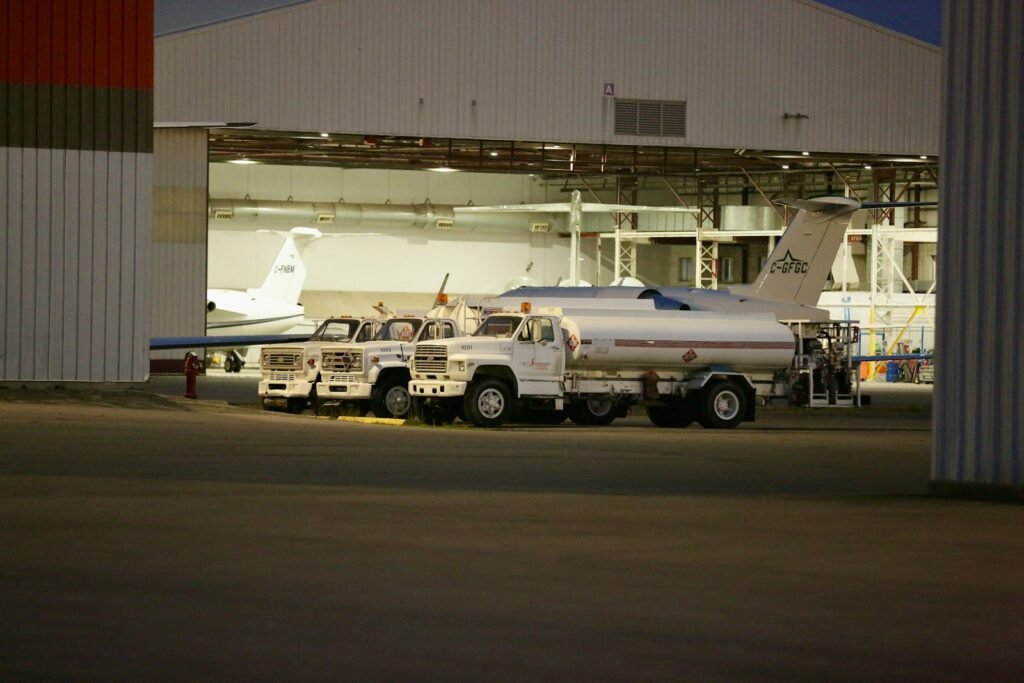
Fuel and ground service trucks in front of an airport hangar, the delivery point a Southeast Asian SAF offtake has to reach

Malaysia’s SAF blending mandate starts at 1 percent and aims to reach 47 percent by 2050. Meanwhile, Singapore requires SAF on every departing flight from 2026, rising toward 3 to 5 percent by 2030. Cebu Pacific has a long-term SAF supply deal with Shell starting at 25,000 metric tons a year. The policy signal across Southeast Asia is real. What is still thin is the equity actually backing the plants that would supply all of it.

I talk with equity investors looking at SAF in this region, and the question behind most conversations is the same: is this a mandate-driven market I can underwrite today, or a policy story that is still three or four years from paying out? Still, both answers can be right, depending on which project is on the table. This guide is for the investor side of that question: what the SAF market in Southeast Asia actually looks like right now, and what separates a fundable project from an attractive slide deck.

In short: five signals behind a fundable SAF equity story

  • Global SAF revenue is growing fast on paper, from roughly USD 3.7 billion in 2025 to USD 5.75 billion in 2026, and a forecast USD 26.1 billion by 2030. Growth on a small base still means a thin number of bankable plants today.
  • Mandates in Malaysia and Singapore create future demand, not current cash flow. Early-stage blending percentages translate into modest near-term volumes.
  • Look for the deals actually signed in the region, such as Petronas Dagangan’s offtake with Malaysian Aviation Group and Shell’s supply deal with Cebu Pacific: a national oil company or major trader standing behind the volume.
  • Feedstock is the swing factor. Malaysia and Indonesia study used cooking oil and palm oil residues as SAF inputs, but supply, price and sustainability certification remain unsettled across the region.
  • An equity check into a SAF project is a bet on the offtake and the feedstock holding together for a decade, not a bet on the mandate alone.
Facebook
Twitter
LinkedIn

In this article

What is actually happening in the Southeast Asian SAF market

In fact, three governments in the region have moved from talk to mandate. Singapore requires SAF use on departing flights starting in 2026, beginning at a 1 percent target and rising toward 3 to 5 percent by 2030, backed by a levy collected through the Civil Aviation Authority of Singapore. Malaysia’s National Energy Transition Roadmap sets a 1 percent blending mandate now, rising to 47 percent by 2050. Neither country has a domestic SAF plant at commercial scale yet. Singapore’s only SAF production today runs through Neste’s existing refinery capacity.

Commercial activity is ahead of the mandates in a few places. Petronas and Idemitsu Kosan signed a preliminary agreement on SAF development and distribution. Then its downstream arm Petronas Dagangan signed an offtake agreement with Malaysian Aviation Group. Petronas and the Malaysian Palm Oil Board are studying cooking oil and palm oil waste as feedstock. In the Philippines, which has no mandate at all, Cebu Pacific has gone further than most of its regional peers: a long-term supply partnership with Shell Eastern Petroleum starting at 25,000 metric tons a year, after flying a 35 percent SAF blend route between Singapore and Manila.

The pattern across these deals is consistent. The counterparty standing behind the volume is a national oil company, a major refiner or a global trader, not an airline buying directly from an unproven producer. That is the credit structure equity investors should expect to see replicated in any new SAF plant they back in this region.

What the growth numbers actually mean for an equity check

Overall, analysts forecast global SAF market revenue to grow from about USD 3.7 billion in 2025 to USD 5.75 billion in 2026, and to USD 26.1 billion by 2030. Those are steep growth rates on a market that remains small in absolute terms. A 46 percent compound rate on a USD 5.75 billion base is a very different proposition from the same rate on a mature energy market, and it says nothing about which specific plants will capture that growth.

For an investor, the number that matters more than the market forecast is the offtake in front of you. A 1 percent blending mandate across Malaysia’s aviation fuel consumption is a real but modest volume today. The economics of a specific plant depend on whether it has signed, priced, bankable offtake for that volume, not on the mandate curve rising toward 2050.

What to check before committing equity

Is the offtake actually contracted, or just a mandate assumption

Many SAF decks in this region lean on the national mandate as if it were a contract. It is not. Check for a signed, binding offtake with volume, price and tenor, the same way a lender would. The deals that have closed in Southeast Asia run through a major national or international counterparty, which is the credit profile to look for.

Is the feedstock actually secured, not just studied

Used cooking oil and palm oil residues are under active study as SAF feedstock across Malaysia and Indonesia, but a feasibility study is not a supply contract. Ask who holds the collection and aggregation network, what the price formula looks like against competing uses for the same feedstock, and what certification scheme applies. A plant with a signed offtake and no secured feedstock has only solved half the problem.

Does the technology have a reference plant, or is this the first of its kind

First-of-a-kind SAF technology in a market with no domestic production history carries construction and ramp-up risk that a reference plant elsewhere does not. Ask for the technology provider’s operating track record, not its design capacity on paper.

Who else brings equity into the capital stack

A plant that has already attracted a development finance institution or a strategic industrial partner has typically passed a round of due diligence you can build on. A plant where you would be the first serious money in deserves a correspondingly higher return, or a smaller check.

What an equity investor checks, at a glance

What to check Weak signal Strong signal
Offtake Mandate cited as demand, no contract Signed agreement with an airline, an oil company, refiner or major trader
Feedstock Feasibility study only Secured supply, priced formula, certification path defined
Technology First commercial-scale plant for the provider Reference plant operating elsewhere at comparable scale
Capital stack Sponsor’s own capital only DFI or strategic industrial partner already committed
Regulatory exposure Economics depend entirely on a mandate that could slip Economics hold up under a delayed or reduced mandate scenario

Where SAF equity stories break down in practice

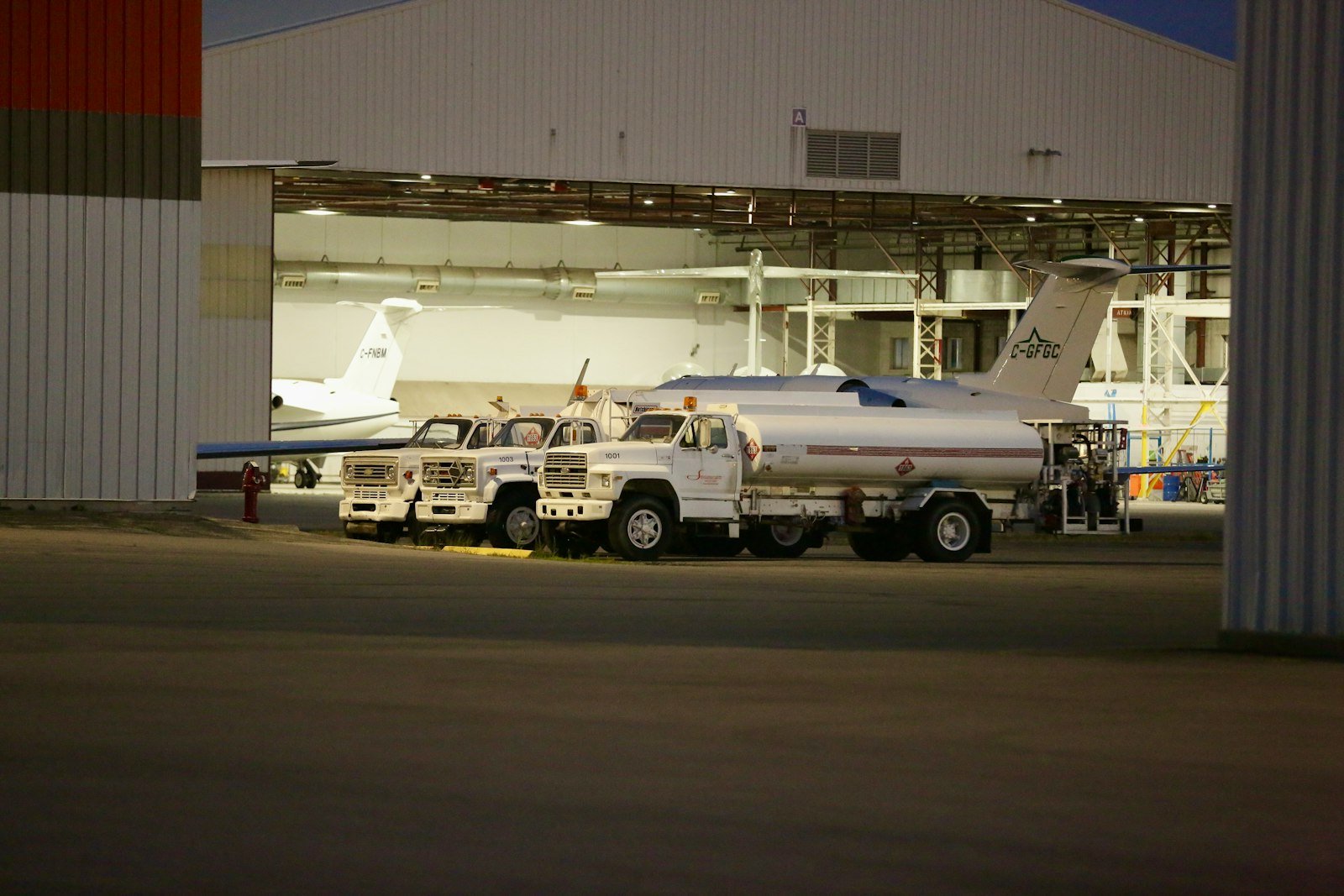
Fuel and ground service trucks in front of an airport hangar, the delivery point a Southeast Asian SAF offtake has to reach
Photo by Michael on Unsplash
  1. The mandate gets delayed or softened. Blending targets set in a national roadmap can move. A project priced only for the base-case mandate has no margin if the timeline slips two years.
  2. The feedstock gets re-priced by a competing use. Used cooking oil also feeds biodiesel demand. If biodiesel policy pulls the same feedstock pool, your SAF plant’s input cost moves with it.
  3. The offtake counterparty is smaller than it looks. An airline’s own balance sheet may not be strong enough to carry a 10-year fuel commitment, which is why the stronger regional deals run through a national oil company or a trader instead.
  4. The plant cannot actually deliver what the contract promises. Blending, storage and certification at the destination airport have to work physically, not just contractually. This is the same operational layer that decides whether a SAF offtake agreement is bankable in the first place.


A method for underwriting a Southeast Asian SAF equity opportunity

Step 1: Separate mandate from contract

Strip the deck down to the documents actually signed: offtake, feedstock, technology licence, permits. Everything else is pipeline, not revenue.

Step 2: Pressure-test the feedstock

Model what happens to the project’s margin if the feedstock price rises 20 to 30 percent. As a result, competing demand for the same waste streams makes that a realistic scenario.

Step 3: Check the counterparty, not just the contract

A signed offtake is only as good as the buyer behind it. Confirm the counterparty’s own credit standing and its track record of honouring long-dated fuel commitments.

Step 4: Size the check to the stage, not the ambition

A pre-FID project with no DFI or strategic partner yet needs a different structure, and usually a different price, than a project that has already cleared that bar.

This is the lens I bring to Investor Introductions conversations with SAF sponsors across the region, and the Roadmap to Bankability sets out the same checks from the developer’s side.

Common mistakes I see from the investor side

  1. Treating a national blending mandate as if it were the project’s contract. It sets the market, it does not pay the project’s debt or deliver its equity return.
  2. Underweighting feedstock competition. Used cooking oil and palm residues have other buyers, and that competition is easy to miss in a model built only around SAF demand.
  3. Accepting a first-of-a-kind technology at a mature-technology price. Construction and ramp-up risk should be priced, not waved away.
  4. Skipping the operational due diligence behind the contract. A signed offtake still depends on blending, storage and logistics working at the promised volume.

Next step

If you are an equity investor or strategic partner looking at SAF opportunities in Malaysia, Singapore, the Philippines or elsewhere in Southeast Asia, I can help you separate the contracted part of a project’s story from the part that is still a mandate assumption.

Discuss an opportunity or book a 30-minute call. You can also read about the SAF industry or how to secure SAF offtake agreements from the developer side.

Sources

Frequently asked questions

Selectively. The countries with the clearest signed deals, Malaysia and the Philippines, show that bankable structures exist, but most of the regional pipeline is still earlier stage than the mandates suggest.

Singapore and Malaysia have mandates in place or starting in 2026, with blending percentages rising over time. The Philippines has no mandate, but has the region’s most advanced commercial SAF supply deal.

Feedstock. Other industries buy used cooking oil and palm residues, so supply and pricing are less settled than the offtake side of most deals.

Not necessarily, but you should price pre-FID equity for the construction and ramp-up risk that a post-FID, operating plant has already cleared.

Offtake is a buyer’s commercial commitment. Equity is ownership in the plant that has to deliver against that commitment, which carries construction, feedstock and operating risk the offtake contract does not remove.

Not sure your project would survive a credit conversation?

A short call is usually enough to see where your project stands against what a lender or an equity investor will ask for. Tell me where your project is today, and I will tell you what the next conversation needs to look like.

Alex, Founder of WeConnect Asia

I am Alex, founder of WeConnect Asia, based in Kuala Lumpur. I connect low-carbon fuel project developers in Southeast Asia with the investors, lenders, buyers and specialists they need to reach financial close. Nothing here counts as investment advice, and I do not arrange investments. I act as a strategic advisor and facilitator.

Facebook
Twitter
LinkedIn

Related articles




