Category: Power-to-X
Fischer-Tropsch for PtL turns CO2 into CO first, then into syncrude: 50 to 60 percent of the output is jet range, and the weak step sits at readiness level 6.
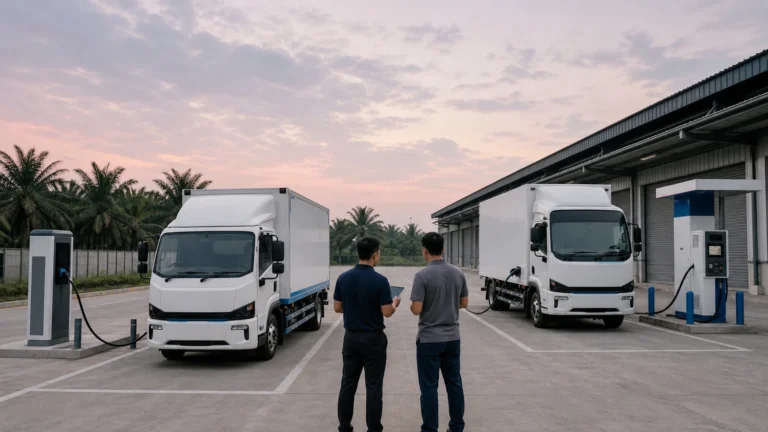
Hydrogen beats direct electrification only where distance, refuelling time and payload outrank the price of the kilowatt hour.
Green ammonia is made from renewable hydrogen and nitrogen. I explain uses in fertiliser, shipping and power, and what it takes to finance.
Fischer-Tropsch or methanol, 38 to 63 percent well-to-tank, one route ASTM approved and one pending: the choice I make before the concept study.
Batteries, direct electrification, blue hydrogen, green hydrogen: four cost logics. How to pick the route a lender will fund.
Additionality, temporal correlation, geographical correlation: what each rule demands, when it bites, and what the switch to hourly matching costs.
60% capture gives 5 to 8 kg CO2 per kg, 90% gives 0.8 to 6 kg with no plant running: the emissions count I make a buyer read.
A fuel counts only inside a regime: the directive sets the definition, the delegated acts set the electricity rules, the quotas set the buyer. Here is the order.

Committed capacity, firm offtake, contract layers and certifiers: who signs what in the hydrogen market, and in which order to meet them.